Upcycled Products and Clothing That Actually Sell
There’s something about upcycling products that sticks with you. Maybe it’s the creativity, maybe it’s the practicality, or maybe it’s the realization that most of what we throw away still has a second life waiting.
For me, that started with clothing.
When Clothing Becomes More Than Clothing
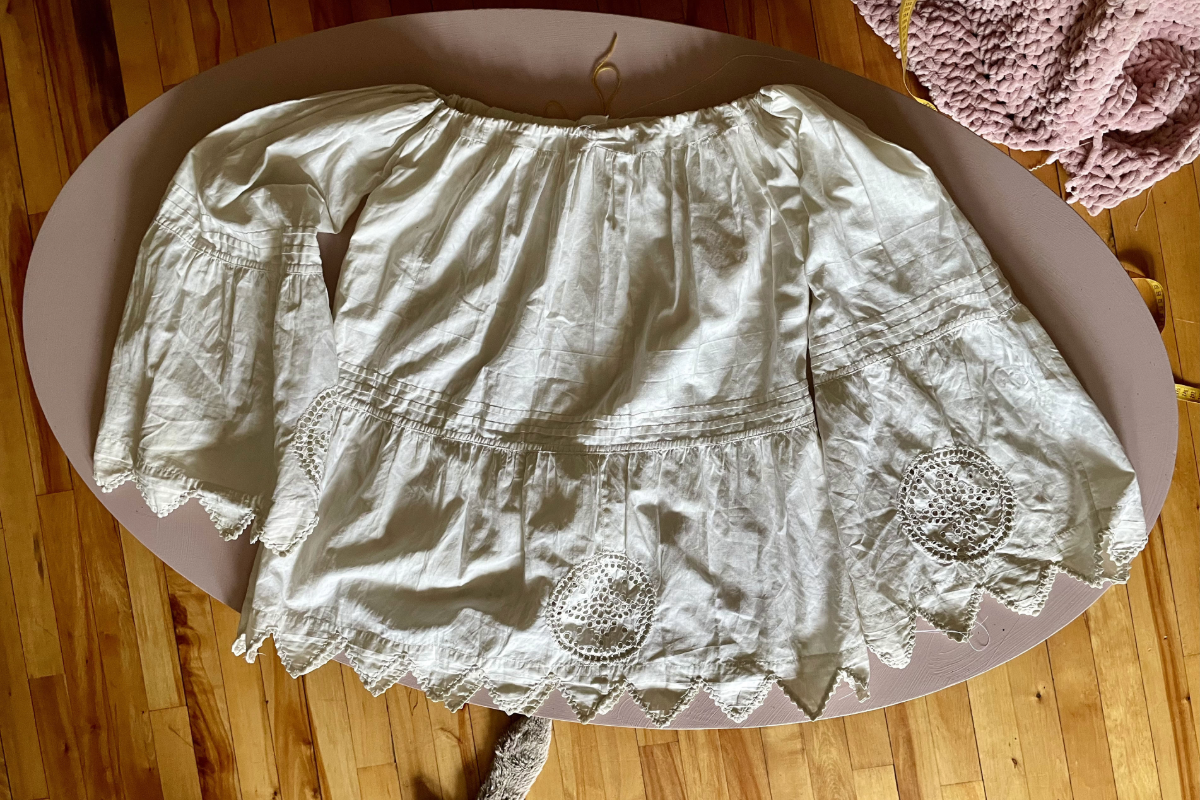
Upcycling clothing has always been part instinct, part necessity. Living in Toronto, especially right on Queen Street in Leslieville, it was almost impossible not to collect vintage pieces. One jacket turns into five. Five turns into racks. Racks turn into a store.
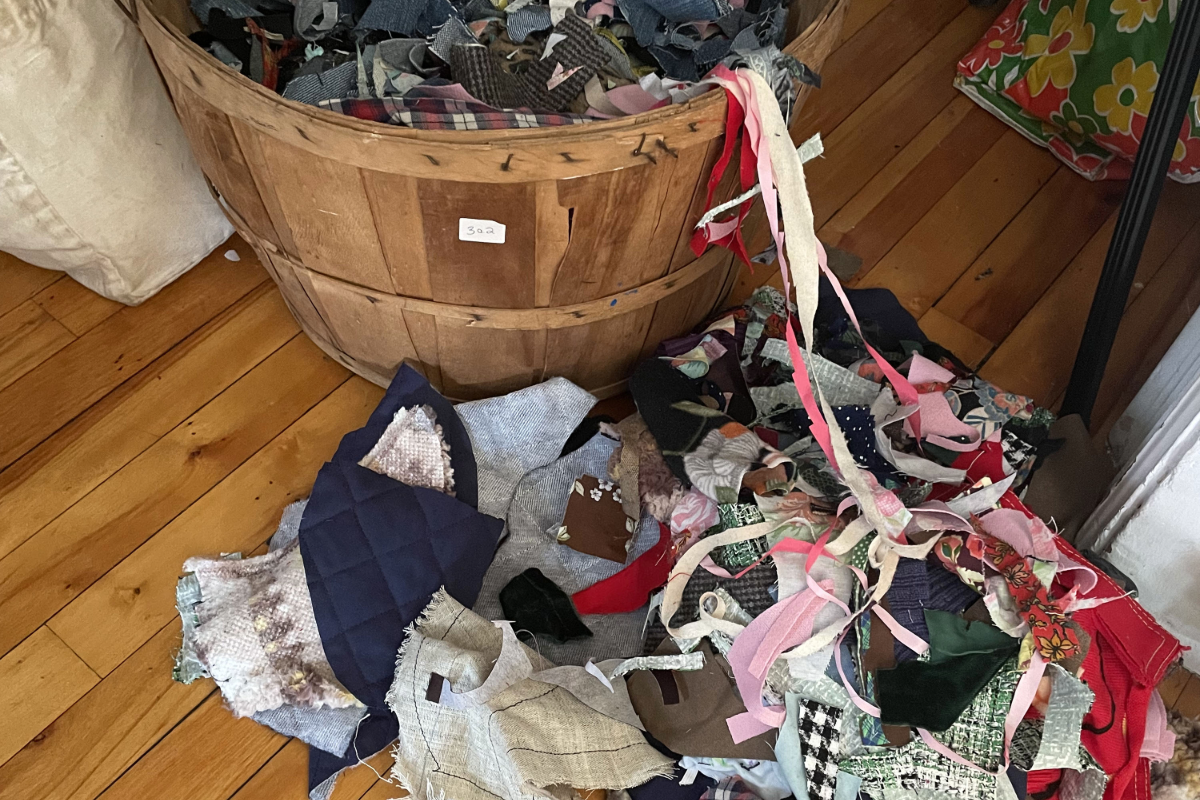
That store eventually followed me to Saint John, along with years of accumulated fabric: denim jeans, dresses, unfinished projects, and everything in between.
What started as a love for vintage turned into a long-term relationship with repurposed clothing.
And over time, something shifted.
The Pile Doesn’t Go Away (But It Does Change)
For nearly a decade, I’ve been sorting through clothing, selling what I can, and transforming what I can’t. These days, I’m down to mostly scraps. Still, a lot of them.
But scraps are where things get interesting.
They become filling for dog pillows. They become patchwork market bags. They become texture. They become something new. Upcycling forces you to confront how much you actually consume. You start to see value differently.
From Bleach Bottles to Business Ideas
It’s not just clothing.
Once you start thinking this way, everything becomes material. A bleach bottle becomes a birdhouse. Waste is a resource.
And that’s where green startups and eco-friendly companies are getting it right.
They’re not just reducing waste, they’re redesigning the idea of waste entirely.
Eco-Friendly Companies Aren’t Just “Nice”
There’s a misconception that sustainability is a side effort. Something optional. It’s not.
More and more, customers are actively looking for eco-friendly companies. They want to know where things come from, how they’re made, and what happens after they’re done.
Simple shifts can make a real difference:
- Using local materials instead of imported ones.
- Reducing packaging or switching to reusable options.
- Designing products that last longer, or can be repurposed later.
- Finding ways to reuse byproducts instead of discarding them.
These aren’t just environmental decisions. They’re brand decisions.
They tell a story.
Upcycled Products Tell a Better Story
There’s something compelling about a product that’s had a past life.
Upcycled products carry narrative. They’re not mass-produced. They’re reimagined.
And that story matters. Especially online.
Because when people search for repurposed clothing or upcycled denim, they’re not just looking for a product. They’re looking for intention.
Where Creativity Meets Visibility
This is where a lot of green startups hit a wall.
They have the product. They have the story. But they’re not being found.
That’s where thoughtful digital strategy comes in, making sure the right people are actually seeing what you’ve built. (If you’re working on something in this space, this is exactly the kind of work I do at K-Media: helping businesses get discovered in a way that fits their values.)
Because the truth is, sustainable brands deserve visibility.
Making Dog Pillows… and Something More
Right now, I’m making dog pillows out of fabric scraps. It’s simple, practical, and honestly, it feels good.
It might turn into something I sell at a market. It might not.
But it’s already doing something important: reducing what I own, reusing what I have, and proving that nothing really needs to go to waste.
It Was Never Just About the Clothes
I used to think my vintage habit was an investment.
Now I see the return a little differently.
It’s not just about selling pieces. It’s about learning how to use everything. How to rethink materials. How to build something meaningful out of what’s already there.
That mindset, the one that started with piles of clothing, has shaped how I see business, branding, and creativity.
And in a world where more companies are trying to do better, that mindset might be the most valuable thing of all.